


Where to Buy Stage Collectibles: 7 Best Spots in 2026
Table of Contents
Where to Buy Stage Collectibles: The Complete 2026 Guide
Quick Comparison: Top Sources for Stage Collectibles
How We Evaluated These Sources
The Verification Gap: Why Most Guides Fail You Here
The Three-Tier Authentication Framework
Red Flags We Screened For
1. Etsy: Best for Handmade and Vintage Finds
2. eBay: Best for Rare and Auction-Style Finds
3. Lion and Unicorn: Best for Investment-Grade Antiques
4. PriceCharting and PSA Price Guide: Best for Valuing Your Collection
5. Stage Ready Resources: Best for Themed Decor and Apparel
Where to Focus Your Search Next
A Practical Sourcing Strategy for Serious Collectors
The Ethical Sourcing Question Most Guides Ignore
Preservation: What to Do After You Buy
Final Recommendations by Collector Type
Frequently Asked Questions
Last Updated: September 7, 2026
Where to Buy Stage Collectibles: The Complete 2026 Guide
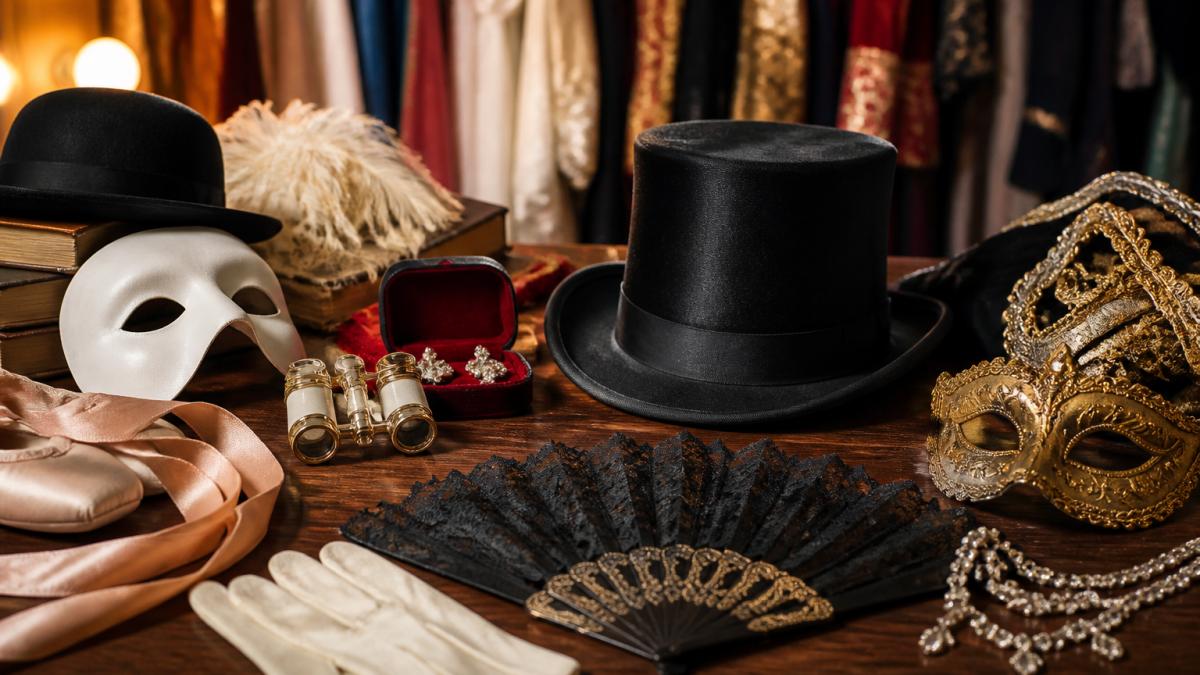
The market for theater memorabilia, vintage playbills, and stage-used props is more accessible than ever, provided you know which platforms specialize in what. This guide from Stage Ready Resources breaks down the best spots to buy stage collectibles in 2026, from auction giants to niche curators.
There is a massive difference between decorative pieces that capture the spirit of the theater and investment-grade artifacts with verified history. Below, we show you how to match your budget and collecting goals to the right source, and flag the common mistakes that lead to overpaying for fakes.
Quick Picks:
Best for Handmade & Vintage: Etsy, unmatched variety for unique finds
Best for Rare & Auction-Style: eBay, the largest secondary market inventory
Best for Investment-Grade: Lion and Unicorn, professional appraisal and authentication
Best for Valuation: PriceCharting and PSA Price Guide, data-driven market tracking
Best for Themed Decor: Stage Ready Resources, curated backstage energy for daily life
Quick Comparison: Top Sources for Stage Collectibles
No single retailer dominates every category. Your choice depends on whether you are chasing a specific vintage playbill, a rare limited-edition statue, or a clever conversation piece for your living room.
Source | Best For | Pricing Model | Authentication Level |
Etsy | Handmade & vintage finds | Varies by seller | Seller-dependent |
eBay | Rare & auction-style items | Auction / Fixed Price | Buyer diligence required |
Lion and Unicorn | Investment-grade antiques | Auction commission | Professional appraisal |
PriceCharting | Market valuation | Free / Freemium | Data-driven tracking |
PSA Price Guide | Graded collectibles | Free | Third-party certification |
Stage Ready Resources | Themed decor & apparel | Retail (varies) | Brand-curated design |
This table is your starting point. For serious collectors, understanding provenance is non-negotiable. According to guidelines on collecting and preserving cultural artifacts, documentation of an item's history is the single most important factor in determining its long-term value.
How We Evaluated These Sources
We applied a strict rubric prioritizing the needs of theater collectors: inventory depth, buyer protection reliability, pricing data transparency, and the availability of authentication or grading services.
A critical part of our evaluation involved separating the "wheat from the chaff" regarding authenticity. Many marketplaces are flooded with replicas and unauthorized reproductions. The Federal Trade Commission's guidance on spotting counterfeit products highlights that verifying the seller's authority and the item's chain of custody is the only way to ensure you are buying genuine memorabilia. We looked for platforms that either provide this verification themselves or offer tools that allow you to perform due diligence effectively.
The Verification Gap: Why Most Guides Fail You Here
A COA is only as trustworthy as the entity that issued it. A COA from a major auction house like Heritage Auctions carries weight because their reputation is on the line. A COA printed by a random Etsy seller is simply a piece of paper with no independent verification behind it.
A prop from a Broadway show may have passed through the production company, a prop master, a storage facility, an auction house, and a private dealer before reaching you. Each handoff is a potential break in the chain of custody. Ask for the full provenance trail, not just a final COA.
The Three-Tier Authentication Framework
Through our evaluation, we found that authentication for stage collectibles falls into three tiers:
Tier 1: Documented Chain of Custody. This is the gold standard. The item comes with paperwork tracing its journey from the stage to your hands, such as a letter from the production's stage manager, a bill of sale from the original auction, or photographic evidence of the item in use. Auction houses like Lion and Unicorn and major houses like Bonhams or Christie's routinely provide this level of documentation.
Tier 2: Expert Attribution. The item is attributed to a specific production or performer based on stylistic analysis, material dating, or expert opinion. This is common for vintage playbills and posters where the printing date and design elements can be verified against known production records.
Tier 3: Seller Assertion. The seller states the item is authentic but provides no independent verification. This is where most online marketplace listings fall. It is not automatically disqualifying, many honest sellers lack resources for formal authentication, but it requires your own due diligence. Ask pointed questions: Where did you acquire this? What do you know about its history? Can you provide photos of any markings or labels? A seller who cannot answer basic provenance questions should raise immediate red flags.
Red Flags We Screened For
During our evaluation, we flagged platforms and sellers exhibiting these warning signs:
Vague provenance language. Phrases like "believed to be from" or "possibly used in" without supporting evidence.
Pressure tactics. Sellers who push for immediate purchase or discourage questions about history.
Inconsistent item history. Stories that change when you ask follow-up questions.
Suspiciously low pricing. A "stage-used" prop priced at a fraction of comparable verified items is almost certainly a reproduction.
No return policy on high-value items. Legitimate sellers of authentic memorabilia stand behind their products.
Watch Out A COA is not proof of authenticity. It is only proof that someone wrote something down. Always trace the provenance chain yourself and verify the issuer's credibility before making a significant purchase.
This framework guided every platform recommendation in this guide. Platforms that provide tools for Tier 1 or Tier 2 verification ranked higher than those that leave you stranded at Tier 3.
1. Etsy: Best for Handmade and Vintage Finds
Etsy is the first stop for collectors who value the hunt for one-of-a-kind vintage playbills and stage posters. The platform connects you directly with independent sellers who often specialize in niche eras of theater history, and you can communicate with them directly about an item's history.
Pricing varies significantly between sellers for similar items. Look for sellers with high review counts specifically mentioning condition and accurate description.
Watch Out Etsy requires buyer diligence. Since most items are sold as-is by individuals, always request photos of the actual item (not stock images) and ask for a condition report before committing to a purchase.

2. eBay: Best for Rare and Auction-Style Finds
eBay offers the largest inventory of secondary market collectibles. The auction-style format is ideal for discovering the true market value of a piece, as competing bidders establish the price in real time.
eBay's buyer protection programs provide a safety net, but they do not replace the need for verification. Successful collectors use eBay's "completed listings" feature to see what similar items actually sold for, providing a data-driven baseline for fair market value.
Pro Tip Always check the seller's return policy and feedback score before bidding on high-value items. A seller with a history of selling theater memorabilia is generally safer than a generalist with no relevant track record.
3. Lion and Unicorn: Best for Investment-Grade Antiques
Lion and Unicorn operates as a professional auction house rather than a casual marketplace. They specialize in high-end antiques and provide expert guidance on provenance and historical significance. This is the source for stage collectibles that come with a documented chain of custody.
The barrier to entry is higher, both financially and in terms of process. You are engaging with an appraisal service that validates the item's story, which is essential for pieces where the value is tied to their history.
4. PriceCharting and PSA Price Guide: Best for Valuing Your Collection
Knowing where to buy is only half the battle; knowing what to pay is the other half. PriceCharting tracks historical sales prices for thousands of collectible items, offering a free tier that helps you evaluate value trends over time.
For professionally graded items, the PSA Price Guide serves as the industry-standard valuation resource. It provides official pricing data for certified collectibles, which is particularly relevant for pop-culture and limited-edition statues where condition grading significantly impacts value. These tools are essential for the discerning buyer who wants to ensure their collection holds its value.
Key Takeaway Use PriceCharting to establish a baseline price for ungraded items, and consult the PSA Price Guide for graded or sealed collectibles. This dual approach protects you from emotional bidding and seller hype.
5. Stage Ready Resources: Best for Themed Decor and Apparel
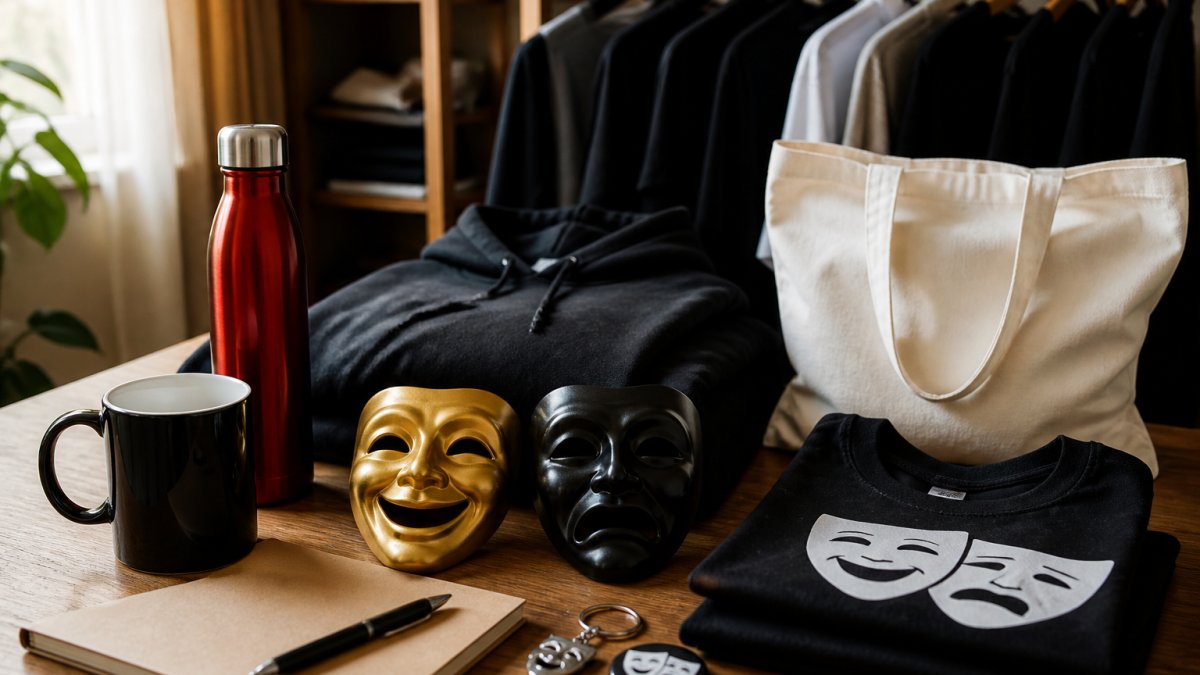
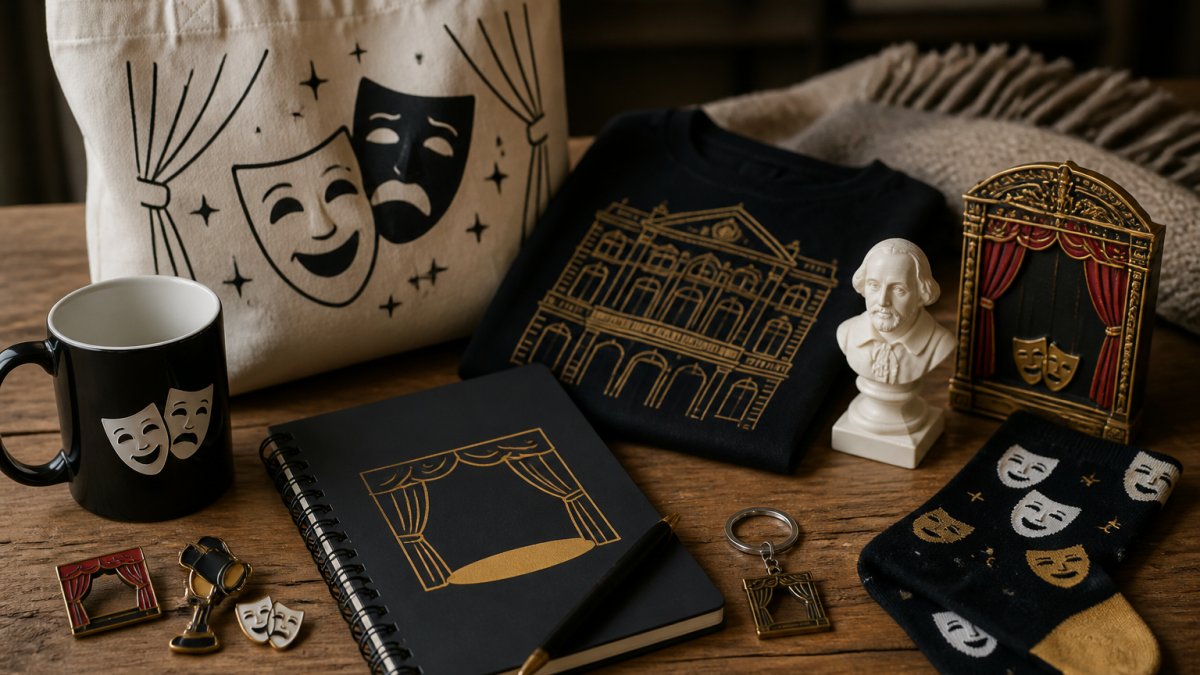
Stage Ready Resources offers a curated collection that bridges the gap between serious memorabilia and expressive lifestyle decor. Our premium merchandise captures the camaraderie, charm, and cheeky energy of the theater, designed for the "theater nerd" who wants expressive apparel and unique accessories.
Our items are ideal for gifts or for adding theatrical flair to your space.
Best For Theater enthusiasts and performing arts students who want expressive, premium-quality apparel and decor that captures backstage energy without the complexity of verifying antique provenance.
Where to Focus Your Search Next
The best source for stage collectibles depends entirely on your intent. If you are building a serious archive, focus on eBay for the hunt and Lion and Unicorn for high-value acquisitions. Use PriceCharting and the PSA Price Guide to ensure you are paying fair market value.
For those who want to integrate their love of the stage into everyday life with premium, thoughtful pieces, Stage Ready Resources provides a reliable alternative to the secondary market.
A Practical Sourcing Strategy for Serious Collectors
If you are ready to move beyond casual browsing, here is a step-by-step approach that serious collectors use to build meaningful collections without overpaying:
Step 1: Define your niche and budget ceiling. Are you chasing Broadway playbills from the 1970s? Costume sketches from regional theatre? Stage-used props from specific productions? Narrowing your focus makes you a more informed buyer and prevents impulse purchases. Set a hard budget ceiling before you start searching, emotional bidding is the fastest way to overpay.
Step 2: Set up automated search alerts. On eBay, save your niche searches and enable notifications. On auction house sites like Lion and Unicorn, sign up for their catalog alerts. Most serious collectors also monitor the theatre and performing arts categories on auction aggregator sites like LiveAuctioneers and Invaluable.
Step 3: Build a reference library of comparable sales. Before you buy anything, spend two weeks tracking what similar items actually sell for. Use eBay's completed listings feature and PriceCharting to establish a baseline. This research phase is tedious but essential, it trains your eye to recognize both fair prices and quality differences.
Step 4: Verify before you bid. When you find a candidate piece, run it through the three-tier authentication framework from the evaluation section above. Request additional photos, ask about condition issues, and demand provenance documentation. If a seller cannot provide it, walk away, there will always be another piece.
Step 5: Factor in preservation costs. A $500 playbill may need $200 in archival framing to display safely. A stage-used costume may require professional cleaning and climate-controlled storage. Include these costs in your total acquisition budget so you are not caught off guard.
The Ethical Sourcing Question Most Guides Ignore
Some items on the secondary market may have been removed from theatres without authorization. Costumes, props, and set pieces sometimes disappear from productions through theft, unauthorized loans, or staff taking "souvenirs" at the end of a run.
Before purchasing a stage-used item, ask yourself: does this piece plausibly have a legitimate path from the stage to the seller? Items from major productions typically flow through recognized channels, production company liquidations, authorized auctions, or donations to theatre archives. If a seller cannot explain how an item left the production, that is a serious concern.
Under U.S. law, stolen property does not become legal to possess simply because you bought it in good faith. If a theatre or production company can prove an item was stolen, they may have legal grounds to reclaim it, and you could lose both the item and your money. The American Alliance of Museums provides guidance on ethical acquisition practices that offers useful principles for individual collectors: verify the seller's right to sell, document the chain of custody, and be wary of items with unclear histories.
Key Takeaway Ethical sourcing is not just a moral consideration, it is a practical one. Items with clean, documented provenance are easier to insure, easier to resell, and carry none of the legal risk that comes with potentially stolen goods.
Preservation: What to Do After You Buy
Proper preservation determines whether a piece holds its value. The Library of Congress recommends storing paper items like playbills and posters in acid-free folders or sleeves, kept flat in a cool, dry environment away from direct sunlight. For display, use UV-protective glass and archival mounting materials, never tape or glue originals.
For costumes and textiles, professional cleaning by a conservator is recommended before storage. Store costumes on padded hangers in breathable garment bags, not plastic, which traps moisture and promotes mildew.
Props made of mixed materials require individual assessment. A conservator can advise on the right temperature, humidity, and handling procedures for your specific pieces.
Final Recommendations by Collector Type
The Casual Enthusiast: Start with vintage playbills and posters from eBay and Etsy. They are affordable, easy to store, and you can learn authentication basics without high financial risk.
The Thematic Decorator: Stage Ready Resources offers curated pieces that capture the aesthetic without the verification burden. For authentic vintage items, focus on Etsy sellers with strong reviews and clear provenance statements.
The Serious Archivist: Build relationships with auction houses like Lion and Unicorn and monitor regional auctions through LiveAuctioneers. Invest in professional conservation and maintain meticulous records of every acquisition.
The Investment Collector: Prioritize items with Tier 1 documentation, full chain of custody from production to your hands. These pieces hold value best and are easiest to resell when the time comes.
Stage Ready Resources offers curated, backstage-themed merchandise that celebrates the drama and performance community with premium materials and clever design.
Frequently Asked Questions
What types of theater memorabilia are most valuable?
Items with strong provenance and a direct link to a famous production or actor tend to hold the most value. Signed playbills, original costume sketches, and theatre-used props from iconic shows are highly sought after. Limited-edition statues and premium-format figures also command high prices. Rarity and condition are the two biggest factors. A rare item in excellent condition with clear documentation of its history will almost always outperform a common item in poor shape. For a serious collection, focus on acquiring authentic Broadway memorabilia with verifiable history.
How can I verify the authenticity of stage props?
Verifying authenticity starts with provenance. Ask the seller for any certificates, letters of authenticity, or documentation that traces the item back to the production. Compare the item against production photos and archival records. For high-value pieces, consider using a professional grading service like PSA, which can authenticate and grade the item, adding to its market value. Be wary of deals that seem too good to be true on marketplaces like eBay. When buying from estate sales, ask the family for the item's history. If a seller cannot provide a clear chain of custody, proceed with caution.
Are theater collectibles a good long-term investment?
Some theater collectibles can be a good long-term investment, but it depends on the item. Investment-grade pieces, such as original artwork, rare vintage posters, or theatre-used props from landmark productions, have historically appreciated in value. However, mass-produced merchandise and decorative novelties rarely gain value. Treat collecting as a passion first. Buy pieces you love, do your research on market trends using tools like PriceCharting, and focus on quality over quantity. If an item increases in value, consider it a bonus, not the primary goal.
How should I display my theater memorabilia collection?
The best way to display your collection is to protect it from light, humidity, and dust. Use archival-quality display cases and frames that block UV rays to prevent fading. Keep items away from direct sunlight and areas with high moisture. For playbills and posters, use acid-free backing boards. For statues and props, use a sturdy case to prevent dust buildup and accidental damage. Rotate your displays periodically to reduce light exposure on any single item. This approach preserves your collection while letting you enjoy it daily.
What is the difference between a prop and a stage collectible?
A prop, short for property, is an object actually used by actors during a performance. A stage collectible is a broader category that includes props, costumes, playbills, posters, and other merchandise associated with a production. Theatre-used props are typically the most valuable because they have a direct connection to the on-stage action and are rarer. Other collectibles, like signed programs or replica items, are more common but still hold sentimental and monetary value for fans. The distinction matters for pricing and authenticity verification.
Shop now
Comments