


Is Theater Merchandise Worth Buying? A 2026 Guide
Table of Contents
Is Theater Merchandise Worth Buying? The Honest Answer
What Drives Theater Merchandise Value (and What Doesn't)
Rarity, Condition, and Timing
How to Spot Authentic Theater Merchandise
Theater Collectibles: Popcorn Buckets, Themed Cups, and More
Materials, Durability, and Everyday Usability
Capacity and Real-World Fit
Which Items Hold Up and Which Don't
Theater Merchandise Display Ideas for Your Space
Buy or Skip? A Practical Decision Framework
Resale Reality: What Theater Merchandise Actually Sells For
What Actually Moves the Price
The Costs That Eat Into Any Sale
What Tends to Sell Well Secondhand
A Realistic Expectation-Setting Exercise
Conclusion: Making the Call on Theater Merchandise
Frequently Asked Questions
Last Updated: October 5, 2026
Is Theater Merchandise Worth Buying? The Honest Answer
The short answer: sometimes, and the deciding factor is rarely the item itself. Theater merchandise is the category of branded goods sold around stage productions, from souvenir cups to collectible popcorn buckets, and whether it earns its place in your home depends on why you're buying it.
Most buying guides treat theater merchandise as either pure junk or hidden treasure. Both takes miss the point.
The items below fall into clear groups: collectible buckets, themed cups and drinkware, apparel, and display pieces. Some hold up beautifully; others don't survive a single dishwasher cycle.
What Drives Theater Merchandise Value (and What Doesn't)
Theater merchandise value comes down to three things: rarity, condition, and timing. Everything else, including how much you paid, is mostly noise.
A common mistake is assuming "limited edition" means "valuable." It usually means "produced in a batch the studio hoped would sell out." Demand, not scarcity alone, sets value. An item nobody wants stays cheap no matter how few exist.
Rarity, Condition, and Timing
Rarity matters only when collector demand meets it. A bucket from a blockbuster film's opening weekend, kept pristine, holds more interest than a mass-produced cup from a long-running show.
Condition is where most collections lose value. Cardboard buckets dent and fade, cups crack, and apparel shrinks or pills after a few washes.
Timing cuts both ways. Buying during a themed release means full price with no guarantee of later demand; buying after the hype fades means discounts, but the best items are often gone.
Key Takeaway Value in theater merchandise is demand-driven, not scarcity-driven. Buy because you love the item, and treat any resale upside as a bonus, never the plan.
How to Spot Authentic Theater Merchandise
Authentic theater merchandise carries official branding, licensing marks, or studio identifiers that counterfeiters rarely replicate well. Check the tag, print quality, and packaging before you commit.
Look for these signals:
Official studio or production logos printed cleanly, not blurry or misaligned
Licensing text on tags or packaging, naming the rights holder
Consistent color and finish across the item, with no smudged printing
Sturdy materials that match the price point, since fakes cut corners on weight and texture
A common mistake is buying from a third-party reseller without checking the original packaging. If the seller can't show the tag or box, assume it's unofficial.
For collectibles tied to a specific show, cross-check the design against official promotional images. Counterfeiters often get small details wrong: a wrong font, a missing character, an off color.
Watch Out Counterfeit theater merchandise often looks fine in photos but falls apart fast. If a "collectible" is priced far below everything else you've seen, that gap is the warning sign, not a bargain.
Theater Collectibles: Popcorn Buckets, Themed Cups, and More
Collectible popcorn buckets and themed cups are the most common theater collectibles, and the most misunderstood. Some become genuinely sought-after; most don't. The difference usually comes down to materials and how the item behaves once it leaves the lobby.
Buckets that hold collector appeal share traits: a distinctive design, a tie to a major blockbuster film, and a limited production run. Novelty buckets shaped like characters, vehicles, or props generate more fan appeal than standard tubs with a logo slapped on.
Materials, Durability, and Everyday Usability
The single most useful thing you can check before buying is the material. It predicts whether the item survives a year or a week.
Injection-molded plastic buckets and cups. Lightweight, shatter-resistant, and generally top-rack dishwasher safe unless the label says otherwise. They hold up to repeated use but scratch over time, and printed graphics can flake at the edges after many wash cycles. Best all-around pick for daily use.
Tin or metal buckets. Heavier, dent-prone, and usually hand-wash only. They resist fading better than plastic and photograph well on a shelf, but a dropped tin bucket creases permanently. Avoid putting acidic foods or drinks in them.
Cardboard and paperboard buckets. The classic movie-theater shape. They crush under any real weight, absorb moisture, and warp if stored in a humid garage or attic. Treat them as display-only and store them flat or padded.
Ceramic mugs and tumblers. The most durable drinkware category and often microwave safe, but heavy and breakable if knocked off a counter. Check whether the lid gasket is replaceable, a leaking lid is the most common failure point.
Apparel. Cotton shrinks and pills; blends hold shape better. Screen-printed graphics crack if you dry them on high heat. Wash cold, inside out, and hang dry if you care about the print.
A practical rule: if you want something you'll actually use, buy plastic or ceramic. If you want something to display, cardboard and specialty novelty designs win. Just don't expect a cardboard bucket to survive a move, and don't expect a tin bucket to survive a toddler.
Capacity and Real-World Fit
Concession containers are sized for a single movie, not a kitchen. A standard large popcorn bucket holds a few quarts, far more than most people eat in one sitting at home. Before buying a novelty bucket for everyday use, ask whether it fits your cabinet, car cup holder, or desk. Oversized character-shaped buckets frequently don't fit standard cup holders, the most common regret buyers report.
Which Items Hold Up and Which Don't
Item Type | Typical Material | Durability | Collector Appeal | Best For |
Plastic popcorn buckets | Injection-molded plastic | High | Moderate | Everyday use |
Tin/metal buckets | Stamped metal | Moderate | Moderate to high | Display, gifting |
Cardboard buckets | Paperboard | Low | High if rare | Display only |
Themed cups and tumblers | Plastic or ceramic | Moderate to high | Moderate | Daily drinkware |
Apparel | Cotton or blends | Varies | Low to moderate | Wearing, not collecting |
Pins and small accessories | Enamel on metal | High | Moderate | Display, trading |
Pro Tip Before you buy any novelty container, check three things: the material on the tag, whether it's dishwasher safe, and whether it fits where you plan to keep it. Those three checks prevent most buyer's remorse.
Theater Merchandise Display Ideas for Your Space
Good theater merchandise display ideas turn a pile of souvenirs into a conversation piece.

Start with a dedicated shelf or shadow box.
Lighting matters. A warm-toned LED strip behind a shelf makes collectibles pop without fading them.
Rotate your collection seasonally, storing the rest in acid-free boxes with padding between items.
For smaller spaces, a single curated shelf beats a cluttered wall every time. Three well-chosen pieces read as intentional.
Buy or Skip? A Practical Decision Framework
Use this framework before any theater merchandise purchase. It takes thirty seconds and saves regret.
Ask these four questions:
Would I want this if it never resold for anything? If no, skip it.
Will I use or display it within a month? If no, it's clutter.
Does the price match the materials? Thin plastic at a premium price is a bad deal.
Is this an impulse buy at the concession stand? Concession pricing carries a premium. Decide before you're in line.
If you answer yes to the first two and the price feels fair, buy it. If you're buying purely on "it might be worth something someday," walk away.
Pro Tip Set a per-show merchandise budget before you go. It's the single easiest way to avoid concession-stand impulse buys, and it forces you to pick the one item you actually want most.
Resale Reality: What Theater Merchandise Actually Sells For
Most theater merchandise resells for less than its purchase price. A small number of items appreciate, usually because of genuine rarity and strong collector demand, not because they were marketed as limited. Understanding why means looking at the mechanics of resale, not the sticker price.
What Actually Moves the Price
Four factors do most of the work:
Genuine scarcity versus manufactured scarcity. A bucket produced in a limited run and sold only at select locations during a short window is genuinely scarce. A cup labeled "limited edition" but stocked at every theater for six months is not. The label is marketing; the production run is the fact.
Condition grading. Collectors buy on condition. A mint-in-box item with the original tag and packaging can command a meaningful premium over the same item used and unboxed. Creases, fading, scratches, and missing lids all reduce value, sometimes sharply.
Demand timing. Interest in a tie-in item typically peaks around the release and again during anniversary or re-release moments. Outside those windows, listings sit. A common pattern is that items sell quickly for a few weeks, then go quiet for months or years.
Completeness. Original packaging, inserts, and any bundled items (a lid, a straw, a strap) matter. A bucket without its lid is worth less than one with it, even if the bucket itself is identical.
The Costs That Eat Into Any Sale
Even when an item sells for more than you paid, the net can be lower than expected. Resale platforms charge a selling fee plus payment processing, and the seller usually pays shipping on bulky items.
A realistic way to think about it: assume the item sells for roughly what you paid, minus fees and shipping. If that math feels fine, the purchase is defensible as a hobby.
What Tends to Sell Well Secondhand
Genuinely scarce items from short or regional runs
Items in excellent, undamaged condition with original packaging
Pieces tied to a release with lasting fan appeal
Complete sets, including lids, straps, and inserts
Everything else moves slowly or not at all. Unsold stock from failed merchandise runs is common, dragging down prices for similar items because buyers can always find a cheaper listing.
A Realistic Expectation-Setting Exercise
Before buying anything you hope to resell, run this quick test:
Search completed or sold listings, not active ones, active listings show aspirational asking prices.
Note how many sold versus how many are still sitting. A high active-to-sold ratio is a warning sign.
Subtract estimated platform fees and shipping from the typical sold price. That's your realistic net.
Compare that net to what you paid. If it's close to break-even, treat the item as a hobby purchase, not an investment.
Watch Out Treat any "it'll be worth something someday" pitch with skepticism. The items that appreciate are usually the ones nobody expected to, and the ones marketed as investments are usually the ones that don't.
If profit is your goal, treat theater merchandise like any speculative collectible: assume you'll break even at best, and factor in the time and cost of listing, packing, and shipping. Buy what you love, and let resale be a pleasant surprise rather than the plan.
Conclusion: Making the Call on Theater Merchandise
Is theater merchandise worth buying? For most theater lovers, yes, when the item earns a place in your daily life or your display. The value isn't in the resale price.
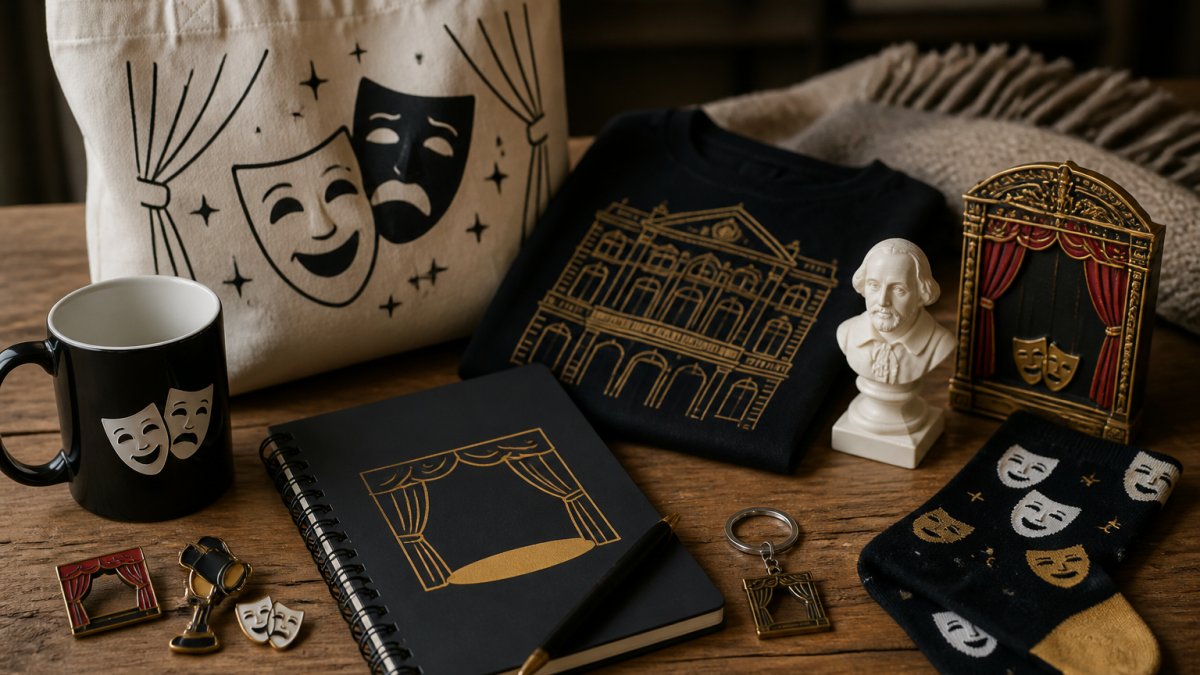
That's the space Stage Ready Resources was built for. Whether you want expressive apparel or unique accessories, our pieces are crafted to celebrate your passion for drama and performance, not to sit in a drawer.
Shop now with Stage Ready Resources and bring a little backstage magic into your everyday routine.
Frequently Asked Questions
Is theater merchandise worth buying?
It depends on what you want from it. If you value the memory, the conversation piece, or the connection to a show you loved, theater merchandise is worth buying. If you are buying purely as an investment, be cautious. Most items do not appreciate significantly. Focus on pieces you will actually enjoy wearing, displaying, or gifting rather than expecting a financial return.
What theater merchandise is worth collecting?
Limited-edition items tied to specific productions tend to hold the most collector interest. Think themed popcorn buckets from major releases, numbered prints, or show-specific drinkware. Authentic theater merchandise from long-running productions also attracts collectors. Condition matters enormously. A mint-condition collectible bucket or cup will always be more desirable than a worn one. Start with items that mean something to you personally.
How can you tell if theater merchandise is authentic?
Check for official branding, production logos, and copyright marks. Authentic theater merchandise typically includes studio or production company trademarks. Look at the quality of printing, stitching, and materials. Unofficial items often use generic fonts or slightly altered logos. If buying online, check whether the seller is an authorized retailer. For collectibles, ask about provenance, such as a receipt or program from the original purchase.
Does theater merchandise increase in value over time?
Some does, but most does not. Items tied to blockbuster films or culturally significant productions can appreciate if they remain in good condition and stay in demand. Limited-edition collectibles with low production runs have the best chance. However, mass-produced items usually sell for less than retail on the secondary market. Treat any value increase as a bonus, not a guarantee.
Shop now
ai scientific figure generator Really enjoyed this guide — the section on spotting authentic merchandise was especially practical. Your four-question decision framework is something I'll actually use before my next concession-stand impulse buy. As a researcher, I know the 'get it exactly right' frustration well — I switched to generating my thesis figures with it and saved hours of redrawing. Thanks for putting this together!