


Where to Buy Premium Theater Memorabilia: 2026 Guide
Table of Contents
Where to Buy Premium Theater Memorabilia: Auction Houses, Dealers, and Online Platforms
Auction Houses and Estate Sales
Specialized Dealers and Private Sellers
Online Marketplaces and Brand Collections
How to Spot Authentic Broadway Memorabilia Before You Buy
Provenance, Condition Reports, and Certification
The Authentication Workflow Serious Buyers Use
Red Flags That Should End the Conversation
What to Do When Authentication Is Uncertain
Auction vs. Retail: Which Route Fits Your Collection Goals?
How to Preserve Theater Collectibles for the Long Term
Archival Storage and Environment Control
Theater Memorabilia Display Ideas for Every Space
Insurance and Appraisal: Protecting Your Investment
Why Standard Home Policies Fall Short
How to Get a Professional Appraisal
How Often to Update Coverage
Documentation to Keep Ready
Frequently Asked Questions
Last Updated: September 20, 2026
Where to Buy Premium Theater Memorabilia: Auction Houses, Dealers, and Online Platforms
The best places to buy premium theater memorabilia fall into three tiers: established auction houses and estate sales for rare finds, specialized dealers and private sellers for curated pieces, and online marketplaces and brand collections for accessible, ready-to-display items. Each route serves a different collector.

Auction Houses and Estate Sales
Estate sales are where the most surprising rare finds surface. When a longtime collector passes, their holdings often go to local estate sales before any auction house sees them. Check regional estate sale listings weekly, and arrive early on the first day. Bring a magnifying glass and a phone for quick provenance checks.
Specialized Dealers and Private Sellers
Specialized dealers offer something auctions rarely do: conversation. A good dealer knows film history, can explain why one lobby card is rarer than another, and will tell you when an autograph looks off. Build a relationship with one or two dealers rather than scattering purchases across the secondary market.
Online Marketplaces and Brand Collections
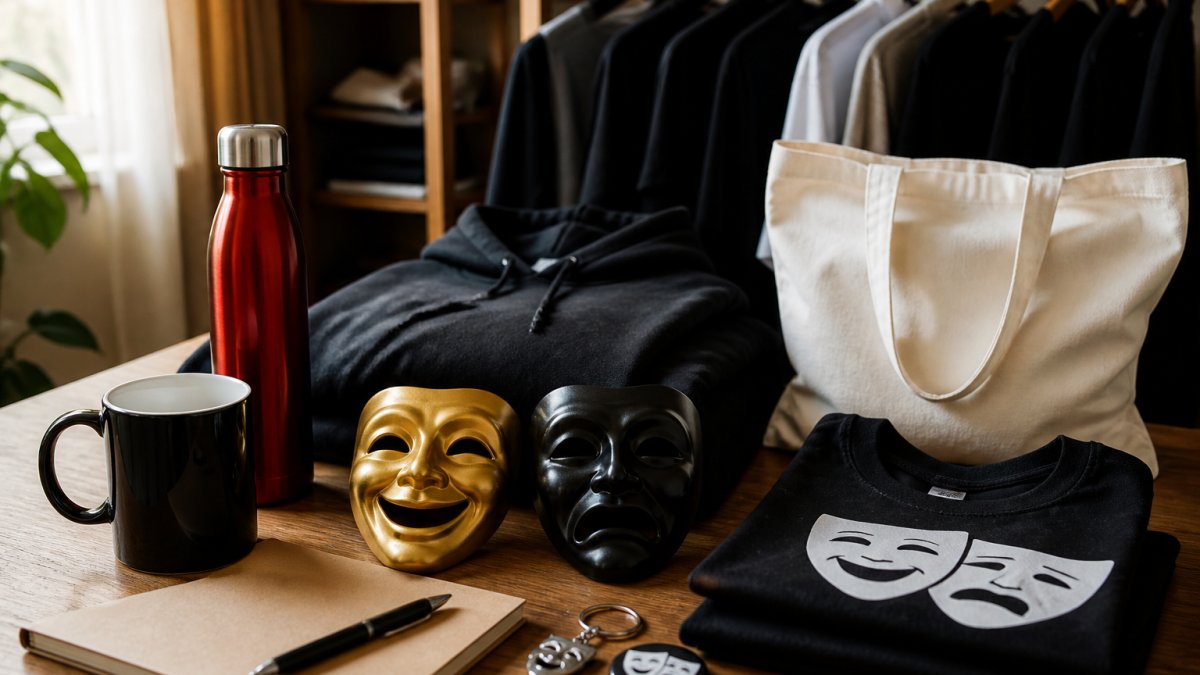
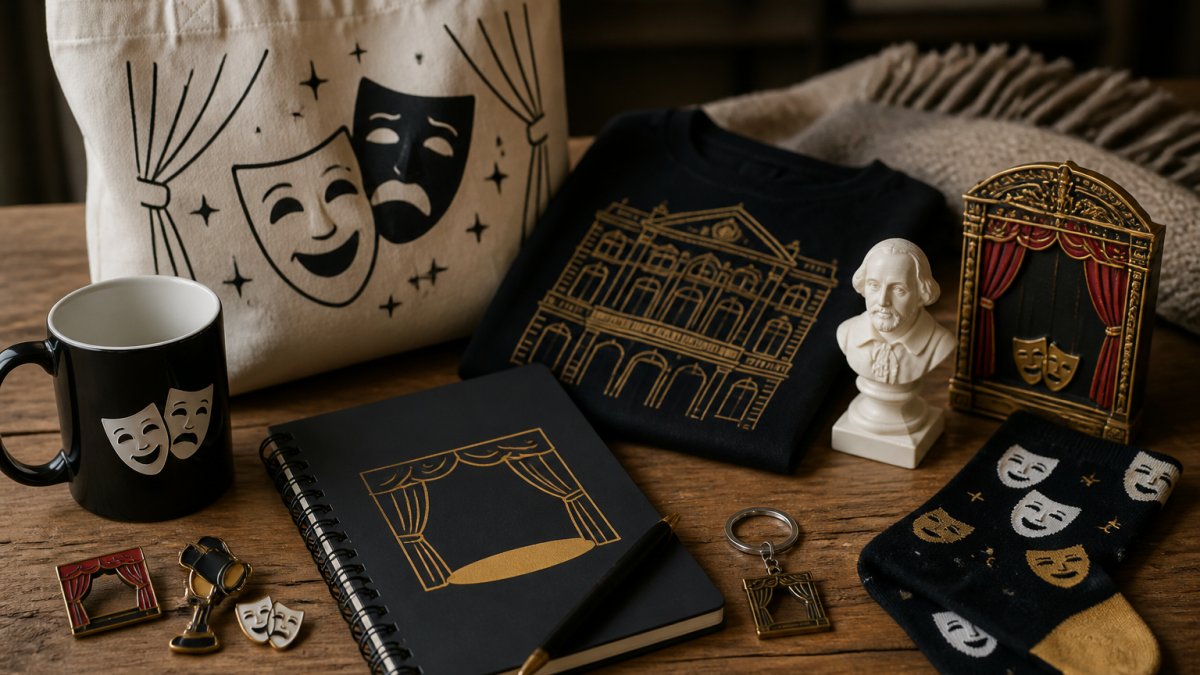
Online marketplaces give you reach, but condition varies wildly. Filter by sellers with detailed photos, and never buy signed memorabilia without a certification or third-party authentication. For everyday pieces that celebrate stage life, curated brand collections are the safer bet. Stage Ready Resources offers a curated collection of clever collectibles and playful decor designed for theater lovers, so you can bring backstage charm home without the authentication gamble.
How to Spot Authentic Broadway Memorabilia Before You Buy
Authentic Broadway memorabilia is verified through provenance, condition reports, and certification, not by how convincing a seller's story sounds. Provenance is the documented history of an item's ownership and origin, and it is the single strongest signal of authenticity. Without it, you're buying a story. Most ranking guides stop there. This section goes further, because the gap between a real signed Playbill and a convincing forgery is usually decided by a handful of verifiable details that most buyers never check.
Provenance, Condition Reports, and Certification
A complete provenance chain includes receipts, auction records, letters of authenticity, or photographs placing the item with its original owner. Condition reports describe wear, restoration, and flaws in writing. Certification from a recognized autograph authentication service adds a layer of confidence for signed memorabilia.
Provenance: documented ownership history from origin to present
Condition report: written description of flaws, restoration, and overall grade
Certification: third-party verification, essential for autographs
Cataloging: how auction houses and dealers record an item's details
The Authentication Workflow Serious Buyers Use
Treat every purchase as a five-step verification process, and stop the moment any step fails.
Confirm the item type and era first. A window card, a lobby card, a one-sheet, a Playbill, a stage-used prop, and a costume piece each have different printing methods, paper stocks, and size standards. Counterfeiters frequently mislabel eras, a poster printed on modern coated stock cannot be from a mid-century run. Learn the standard dimensions and paper weight for the category before you shop.
Trace the provenance chain backward. Ask the seller for the item's path: original owner, any auction house that handled it, any dealer who resold it. A real chain has names, dates, and documents. A fabricated one is vague and circular.
Verify certification numbers independently. For autographs, do not accept a photo of a certificate. Take the certification number and look it up directly with the issuing authentication service. If the number does not resolve, or resolves to a different item, walk away.
Inspect printing and ink under magnification. Halftone dot patterns, paper fibers, and ink layering reveal whether a piece was printed in the period it claims. Modern reprints often show digital dot patterns that period presses did not produce.
Request a written condition report before payment. The report should describe restoration, trimming, color touch-up, and any replaced elements. Undisclosed restoration is the most common reason a premium piece loses value after purchase.
Red Flags That Should End the Conversation
A seller who cannot name the original owner, the auction house, or the dealer in the chain
A price far below the going rate for a comparable piece at a reputable auction
A certificate that only exists as a photo, with no verifiable number
Pressure to pay outside a platform with buyer protection
A signature that matches a known secretarial or estate-stamped signature rather than the performer's hand
A poster described as "original" with no mention of linen-backing, trimming, or restoration
Watch Out The most common mistake is buying a signed poster based on a photo alone. Reputable autograph forgeries are convincing, and without certification you have no recourse. Always require a certification number you can verify independently before paying. Authentication service lookup tools
What to Do When Authentication Is Uncertain
If a piece is rare enough to matter but the paperwork is incomplete, you have three options: commission an independent authentication before purchase (and make the sale contingent on it), buy only at a price that reflects the uncertainty, or walk away. Premium buyers who consistently get burned are the ones who skip this step because the item is emotionally compelling.
Auction vs. Retail: Which Route Fits Your Collection Goals?
Auction suits collectors chasing rare, investment grade pieces with documented provenance. Retail suits buyers who want a specific item now, in known condition, with a return policy. The right route depends on whether you're building a collection or decorating a space.
Route | Best For | Trade-Off |
Auction house | Rare finds, investment grade | Buyer's premium, slower process |
Estate sale | Bargain rare finds | High competition, no guarantees |
Specialized dealer | Curated pieces, guidance | Higher prices |
Online marketplace | Volume and variety | Variable condition |
Ready-to-display decor | Not investment grade |
How to Preserve Theater Collectibles for the Long Term
Preserving theater collectibles means controlling light, temperature, humidity, and handling. Paper, ink, and fabric all degrade faster than most collectors expect, and the damage is usually irreversible. Archival quality materials are the baseline, not an upgrade.
Archival Storage and Environment Control
Store paper items flat in acid-free folders and boxes. Keep signed memorabilia out of direct sunlight, which fades ink and yellows paper. Aim for stable temperature and moderate humidity, and avoid attics and basements where swings are extreme.
Use acid-free, archival quality sleeves and boxes
Frame with UV-filtering glass and acid-free matting
Handle items with clean cotton gloves
Keep food and drink away from paper and fabric pieces
Pro Tip Rotate displayed pieces every few months. Even indirect light fades ink over time, and rotating your collection spreads the exposure while keeping your display fresh.
Theater Memorabilia Display Ideas for Every Space
Good theater memorabilia display ideas start with one rule: protect first, decorate second. A media room, hallway, or dedicated theater corner can all showcase a collection if the framing and lighting are right.
Insurance and Appraisal: Protecting Your Investment
Insuring a collection starts with a professional appraisal, and most standard home policies won't cover high-value memorabilia without a rider. An appraisal documents each item's condition, provenance, and current market value, which is exactly what an insurer needs. This is the step most collectors delay, and it is the step that determines whether a loss is a financial event or a footnote.
Why Standard Home Policies Fall Short
A typical homeowner's policy treats collectibles under a blanket category with a low per-item and total cap, and it often settles on a depreciated or "actual cash value" basis rather than replacement cost. For a signed poster or a stage-used prop, that gap can be enormous. The fix is one of two structures:
A scheduled rider or endorsement added to an existing homeowner's or renter's policy, listing each item by description and agreed value.
A stand-alone collectibles policy from a carrier that specializes in fine art and collectibles, which usually offers broader perils, no deductible on scheduled items, and worldwide coverage for pieces on loan or in transit.
How to Get a Professional Appraisal
An appraisal for insurance purposes is a written, dated document that assigns a value to each item based on condition, provenance, rarity, and current market comparables. It is not the same as a purchase receipt or an auction estimate. A usable appraisal includes:
A full description of each item, including dimensions, medium, and any restoration
The basis of value (for example, fair market value or replacement value) and the effective date
The appraiser's qualifications, signature, and contact information
Supporting comparables, recent auction results or dealer listings for similar pieces
How Often to Update Coverage
Annually: review the schedule against current market comparables, especially after a major auction result for a comparable piece.
After any purchase or sale: add or remove items immediately rather than waiting for renewal.
Every three to five years: commission a full re-appraisal, or sooner if the market for your category has moved sharply.
Before any loan or exhibition: confirm coverage in writing, including transit, and get a certificate of insurance naming the borrower or venue.
Documentation to Keep Ready
Keep photographs, receipts, condition reports, certification numbers, and appraisals together in one file, ideally stored digitally as well as physically. Photograph each item from multiple angles, including any signatures, edition numbers, and flaws. If you ever file a claim, the insurer will ask for the same documents you should already have on hand. Collectors who keep this file current report far smoother claims than those who reconstruct paperwork after a loss.
Key Takeaway The gap most collectors discover too late: a homeowner's policy caps collectibles coverage far below what a serious collection is worth. Get a rider or a dedicated collectibles policy before you need it, and pair it with a current appraisal, because an insurer will not pay an agreed value it has never seen documented.
Frequently Asked Questions
What is the best website for buying authentic theater memorabilia?
There is no single best site, but reputable auction houses, specialized dealers, and established online marketplaces with authentication guarantees are your safest bets. Look for platforms that provide provenance documentation, condition reports, and return policies. For premium, curated pieces, Stage Ready Resources offers a collection designed for theater lovers who want quality and character. Always verify seller credentials and ask for certification before purchasing high-value items.
How can I verify the authenticity of premium theater props?
Request provenance documents, certificates of authenticity, and detailed condition reports. Cross-check signatures against known autograph databases, examine materials for period-appropriate wear, and consult independent appraisers for high-value pieces. Auction houses often employ in-house experts, while private dealers should provide references. When in doubt, walk away. Authentic Broadway memorabilia always comes with a paper trail that matches the item's history.
What should I look for when buying vintage theater decor?
Check for original production markings, fading consistent with age, and frame or mounting damage. Ask about the item's history and whether it has been restored. For vintage cinema decor, original lobby cards and posters hold more value than reproductions. Condition matters: minor wear is expected, but water damage or heavy fading reduces value. Always request close-up photos and a condition report before committing.
Is it better to buy theater memorabilia at auction or through private dealers?
Auctions offer competitive pricing and access to rare finds, but you bid against others and may face buyer's premiums. Private dealers provide personalized service, detailed provenance, and sometimes payment plans, but prices can be higher. For investment-grade pieces, auctions often yield better deals. For curated, ready-to-display items, dealers or specialty brands like Stage Ready Resources are more convenient. Consider your budget and how much verification you need.
Shop now
Comments