


How to Display Theater Memorabilia: A 2026 Guide
Table of Contents
Step 1: Gather Your Theater Memorabilia and Assess Its Condition
Separate Playbills, Programs, and Ticket Stubs
Step 2: Choose the Best Frames for Theater Programs and Playbills
Shadow Box Framing Techniques for 3D Objects
Step 3: How to Preserve Playbills and Programs with Archival Materials
What 'Acid-Free' Actually Means
UV-Filtering Glass vs. Acrylic
Humidity and Temperature
Mounting: Corners, Not Tape
Step 4: Theater Memorabilia Storage Ideas for Organizing Large Collections
Step 5: Plan Your Display: Wall Galleries, Shelves, and Small-Space Solutions
Rotating Displays for Limited Wall Space
Storage-Heavy Display Furniture
Renter-Friendly Mounting
Vertical and Column Layouts
Step 6: Light, Mount, and Maintain Your Display
Frequently Asked Questions
Last Updated: September 14, 2026
Step 1: Gather Your Theater Memorabilia and Assess Its Condition
Learning how to display theater memorabilia starts with one honest question: what do you actually own, and what condition is it in?
Start by laying everything out on a clean, dry surface. Group items by type, then inspect each piece for foxing, creases, water stains, or loose binding. Playbills printed on newsprint degrade faster than glossy programs, so handle those first and set aside anything with active mold or pest damage.
Separate Playbills, Programs, and Ticket Stubs
Sort your collection into three working piles: flat paper (playbills and programs), small three-dimensional objects (pins, buttons, lanyards), and awkward shapes (ticket stubs, signed posters, window cards). According to the Library of Congress preservation guidance on paper-based collections, paper items should be stored flat, away from heat and humidity, before any framing happens.
A common mistake is stacking playbills in a shoebox for years, then discovering the ink has transferred onto the item beneath. Interleave with acid-free tissue and you avoid that entirely.
Pro Tip Photograph every item before you frame or store it. A phone shot with a neutral background creates a digital record you can rebuild from if a piece is ever damaged, lost, or loaned out.
Step 2: Choose the Best Frames for Theater Programs and Playbills
The best frames for theater programs are rigid, UV-filtering, and sized to the item rather than the wall. A standard playbill measures roughly 5.5 by 8.5 inches, so a matted 8 by 10 or 11 by 14 frame gives the piece breathing room without crowding it.
Skip the cheap clip frames. They bow over time and press directly against the paper. Instead, look for frames with a mat that keeps the playbill off the glass. That gap matters more than most buyers realize.
Shadow Box Framing Techniques for 3D Objects
Shadow boxes are the standard solution for pins, buttons, ticket stubs, and small props. The technique is simple: mount each object to a foam-core backing with archival-quality mounting tape or hidden pins, then leave enough depth between the object and the glass so nothing touches.
Lay out the arrangement on the backing board first, photograph it, then commit. Rearranging after you have pierced the board leaves visible holes.
Item Type | Best Frame Style | Key Material |
Playbills and programs | Flat frame with mat | Acid-free mat board |
Pins and buttons | Shadow box | Foam-core backing |
Ticket stubs | Small shadow box or float frame | Archival mounting tape |
Signed posters | Large flat frame | UV-filtering glass |
Step 3: How to Preserve Playbills and Programs with Archival Materials
Preservation is where most displays quietly fail. The frame looks great, but the paper inside yellows within two years because the backing was acidic. This is the section most display guides skip, and it is the one that determines whether your collection survives twenty years or two.
To preserve playbills properly, every material that touches the paper must be acid-free and lignin-free. That means acid-free mat board, archival mounting corners rather than tape, and UV-filtering glass or acrylic. The National Archives guidance on storing paper records recommends keeping framed items out of direct sunlight and away from exterior walls where humidity swings.
What 'Acid-Free' Actually Means
Paper and board are made from wood pulp, which contains lignin. Over time, lignin breaks down and produces acid, which migrates into adjacent paper and causes the brown staining known as foxing. 'Acid-free' means the material has a pH of 7.0 or higher and contains no lignin. Look for board labeled 'buffered', it contains an alkaline reserve (typically calcium carbonate) that neutralizes acids as they form. Buffered board is the standard for paper storage; unbuffered board is used for photographs and textiles, which can be damaged by alkaline materials.
UV-Filtering Glass vs. Acrylic
UV radiation fades ink and yellows paper, and it does the damage invisibly over months. UV-filtering glass blocks roughly 97 to 99 percent of UV rays (si.edu). Acrylic (often sold as Plexiglas or Optium) offers similar UV protection and weighs about half as much, which matters for large frames. The trade-off: acrylic scratches more easily and can build a static charge that attracts dust. Glass is heavier and can shatter, but it is more scratch-resistant. For a signed poster or a piece you handle often, acrylic is often the practical choice; for a permanent wall display, glass is fine.
Humidity and Temperature
Paper is hygroscopic, it absorbs and releases moisture from the air. Rapid swings cause cockling, and sustained high humidity invites mold. A common pattern among conservators is to keep framed paper in an environment between 30 and 50 percent relative humidity, with temperatures in the 60s to low 70s Fahrenheit. Avoid hanging frames on exterior walls, where temperature and humidity fluctuate most, and never store paper in a basement, attic, or garage.
Mounting: Corners, Not Tape
Never dry-mount a playbill. Dry mounting is permanent, and it destroys resale and sentimental value if you ever want to reframe. Instead, use archival mounting corners, small polyester or paper pockets that hold the item at its corners without adhesive touching the paper. For items that must be secured, use Japanese tissue hinges with wheat starch paste, a technique used in museum conservation. If that sounds like more than you want to take on, a professional framer who advertises archival or conservation framing can do it.
Watch Out Standard cardboard backing and ordinary masking tape are the two most common causes of long-term damage to framed theater programs. The acid in both migrates into the paper and causes brown staining that cannot be reversed.
Key Takeaway If you remember one rule: nothing that touches the paper should be acidic, and nothing should be permanent. Acid-free materials and reversible mounting are the two habits that separate a display that lasts from one that damages what it was meant to protect.
Step 4: Theater Memorabilia Storage Ideas for Organizing Large Collections
Not everything belongs on a wall. Serious collectors rotate displays, which means the rest of the collection needs proper storage.
Theater memorabilia storage ideas that actually hold up:
Archival boxes: Acid-free, lignin-free boxes sized for playbills (typically 11 by 14 inches) keep flat items safe and stackable.
Sleeves and binders: Polyester or polyethylene sleeves let you flip through programs without handling them directly.
Flat files: For large posters, a shallow map-style flat file beats rolling, which creates permanent curl.
Climate control: Store in a cool, dry interior closet, not a garage, attic, or basement.
A digital catalog changes how you use the collection. Photograph each item, log the show, date, venue, and any signatures, then tag it by year or production. When someone asks about a specific playbill, you can find it in seconds instead of digging through boxes.
Step 5: Plan Your Display: Wall Galleries, Shelves, and Small-Space Solutions
A wall gallery works best when it tells a story rather than filling space. Group playbills by era, by venue, or by the productions that mattered most to you. But if you live in a small apartment or rent, the standard gallery-wall advice assumes wall space and permission to drill, two things you may not have. This section covers the space-saving and renter-friendly approaches most guides skip.

Rotating Displays for Limited Wall Space
If you own more than you can hang, a rotating display lets you enjoy the collection without covering every wall. The mechanism is simple: keep a core set of frames on the wall and swap the contents on a schedule, seasonally, or whenever a new show joins the collection. Use frames with easy-open backs (many archival frames have bendable tabs rather than sealed backs) so you can change the contents without removing the frame from the wall. Store the off-display items in acid-free sleeves or boxes so the rotation does not cause wear.
Storage-Heavy Display Furniture
A display does not have to be a frame on a wall. A shallow flat-file cabinet or a console table with a glass top and a storage compartment underneath lets you display a few items on top while keeping the rest of the collection organized below. A bookcase with glass doors serves the same purpose: the top shelf holds the display, the lower shelves hold archival boxes. This approach is common in collector homes because it solves two problems at once, display and storage, without requiring a dedicated room.
Renter-Friendly Mounting
Countertop display cases suit renters who cannot drill. A glass-topped case on a bookshelf protects items while keeping them visible, and it moves with you when the lease ends. For wall displays without holes, adhesive picture-hanging strips rated for the frame's weight work for small, lightweight frames, but they are not suitable for shadow boxes or anything heavy. A freestanding easel or a leaning shelf against the wall gives you the look of a gallery without a single nail. If you do drill, use removable wall anchors and keep the holes small so you can patch them at move-out.
Vertical and Column Layouts
For small apartments, go vertical. A single column of stacked frames uses less than two feet of wall width and reads as intentional rather than cramped. Floating shelves above a desk handle pins, buttons, and small props without a single nail in a load-bearing wall. A narrow wall between two doorways or beside a closet is often the best spot for a column display because it is otherwise unusable space.
Best For Renters and small-apartment collectors who want a rotating display without permanent wall damage.
Pro Tip Measure your wall space before you buy frames. A column of five 11-by-14 frames needs about 14 inches of width and roughly 6 feet of height, more than many apartment walls have between a door and a corner. Planning the layout on paper first prevents returns.
Step 6: Light, Mount, and Maintain Your Display
Light is the single biggest threat to a framed collection. UV radiation fades ink and yellows paper, and it does the damage invisibly over months.
Keep displays off walls that face direct sun, and add UV-filtering glass or acrylic to every frame. For lighting the display itself, use LED fixtures positioned above or beside the frames rather than aimed at them. LEDs emit almost no UV and run cool, so they will not heat the paper.
Mounting comes down to weight. Small frames need a single hook rated above the frame's weight. Shadow boxes and larger frames need two anchor points into studs or proper drywall anchors. Check the hardware every six months; humidity loosens hooks over time.
Maintenance is minimal once the setup is right. Dust frames with a dry microfiber cloth, never a wet one, and keep an eye on the backing board for any sign of moisture.
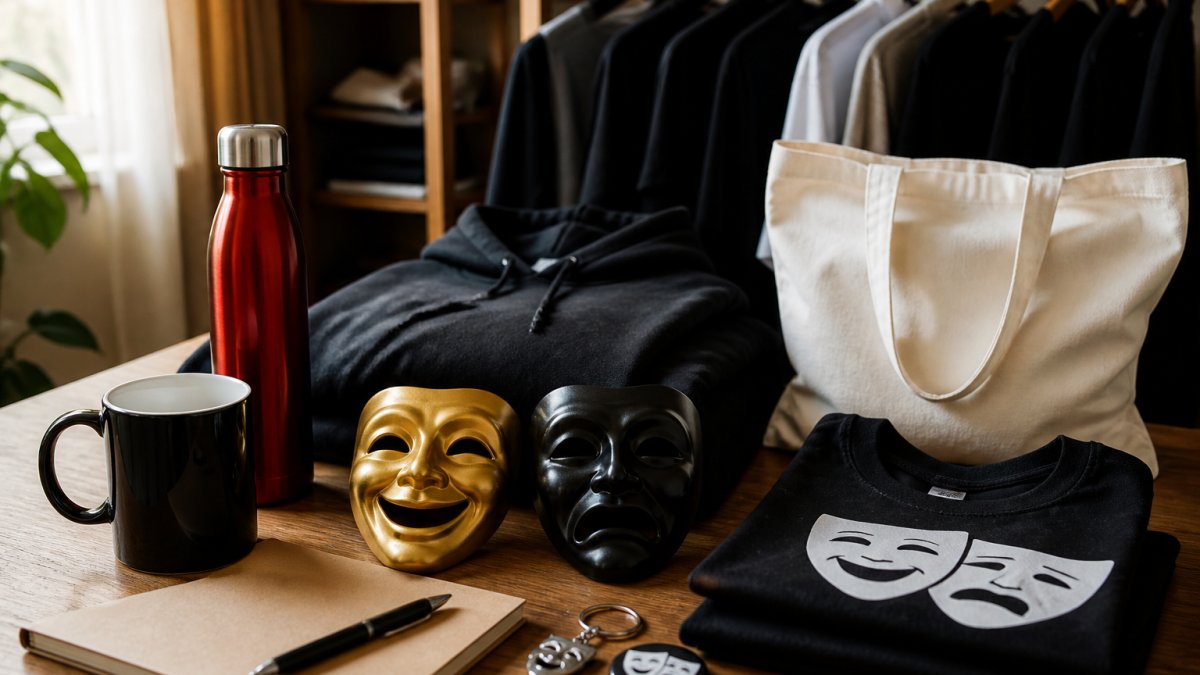
If you want to bring the same stage energy into your everyday space, Stage Ready Resources offers a curated collection of clever collectibles and playful decor designed specifically for theater lovers and dreamers. Our premium merchandise captures the camaraderie, charm, and cheeky energy of the stage, bringing a touch of backstage magic into your daily life. Whether you are looking for expressive apparel or unique accessories, our high-quality products are crafted to celebrate your passion for drama and performance.
Frequently Asked Questions
What are the best ways to preserve theater programs?
Use acid-free, archival-quality sleeves and boxes to prevent yellowing. Keep programs out of direct sunlight and away from humid areas like basements. For display, choose UV-protection glass and acid-free matting. If you frame a program, ensure it doesn't touch the glass by using a mat or spacers. These steps slow fading and brittle pages, keeping your theater memorabilia in good shape for years.
How do you frame a Playbill without damaging it?
Never use tape or glue. Instead, use acid-free mounting corners or a Mylar sleeve to hold the Playbill in place. Place it behind UV-protection glass and add an acid-free mat so the paper doesn't touch the glass. This prevents ink transfer and moisture damage. For extra safety, choose a frame with a deep rabbet to allow airflow. This method preserves the Playbill's condition while displaying it proudly.
What are creative ways to display theater memorabilia in a small space?
Use vertical space: a narrow wall gallery of framed ticket stubs or a floating shelf for small props. Shadow boxes can hang on the back of a door. A countertop display case works on a dresser or desk. Rotate items seasonally to keep the display fresh without needing more room. Digital frames or a tablet showing photos of your collection can also add variety without physical clutter.
How should I store theater memorabilia to prevent fading?
Store items in acid-free boxes or sleeves in a cool, dark, dry place. Avoid attics and basements due to temperature swings and humidity. Use archival tissue paper between items to prevent scratching. For textiles like t-shirts, fold them with acid-free tissue and store flat. Keep items away from direct light, and consider adding silica gel packets to control moisture. This protects against fading and deterioration.
Building a display that lasts takes more than a frame and a free afternoon. It takes archival materials, thoughtful placement, and a little patience with your own collection. Stage Ready Resources makes that easier with premium, theater-inspired collectibles and decor built for people who love the stage, from clever accessories to conversation-starting pieces that bring backstage charm into daily life. Shop now and give your memorabilia the home it deserves.
Shop now


Comments